
Emotional Support
Creatures
Cindy McCraw Dircks
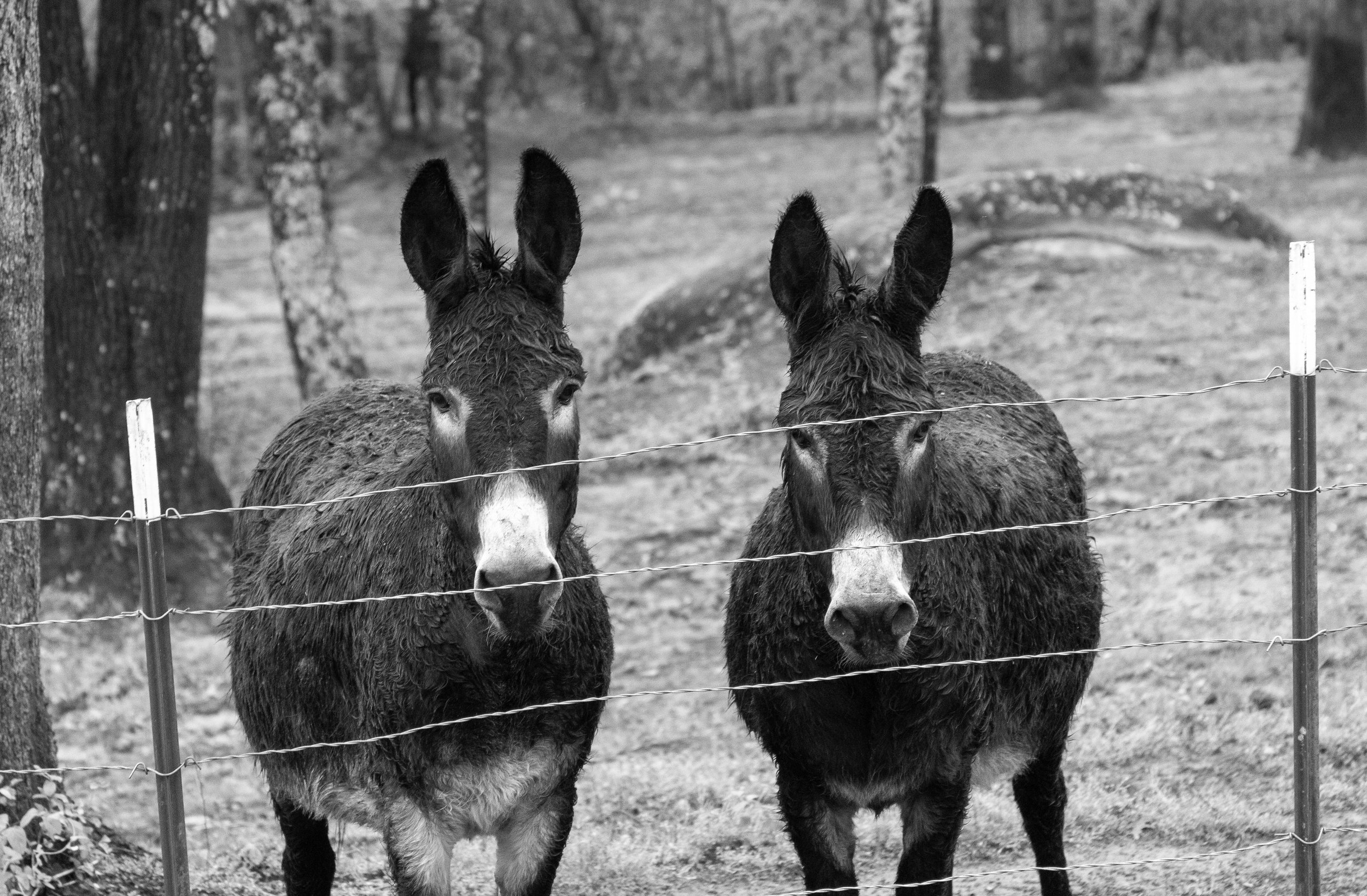
When Sparky died on Monday, remarkably old for his breed, it packed not the same punch but a very different punch from when Susan lost her husband fifteen years prior. And by lost, she didn’t mean died. He just flew to St. Paul on business and, after a few less-than-successful meetings, never came back. It had been a thing for sure.
I’m stressed, he’d texted at the time.
Do something peaceful with animals, she’d responded, since it always worked for her. Then she’d done some research and found a place for him to go. A place that was well reviewed on Tripadvisor.
Now, on her phone, were a few random pics Google Photos thought she might want to see today: Sparky curled up on the couch and pressed against her daughter’s hip. Susan teared up at this, swiped left and continued tearing up at a pic of a goldfinch on the feeder outside her bay window. Susan dug birds. She swiped again and gawked at the last pic her hubs had sent of himself on his walk in Waconia, MN, at Carlson’s Lovable Llamas — renowned for moving meditation and cross-species bonding. Less known as a black hole for husbands.
Susan resumed bringing order back from the chaos of Sparky’s funeral, held yesterday afternoon-into-evening. She thought both of her beloved pet and hubs while scraping dried hummus off the windowsill with her thumb nail. And as she brought a picked-over charcuterie board and a trio of empty wine glasses into the kitchen, she noted that there’d been unconditional love in both relationships. But Sparky never bitched about money or forgot to pick the kids up at preschool like that one time. Or mysteriously disappeared. Plus, the pint-sized canine fit perfectly, heavy and warm on her abdomen, which meant more during perimenopause than Susan cared to admit. Above all, Sparky kept her from focusing on all other loss, from husband to grown-and-flown kids. Sparky had made the encroaching quiet bearable.
Before Susan had very literally lost her husband, the house had been happy and loud. Even during that year-plus of utter confusion and anger and depression and anxiety when she worked with the feds on a search and rescue that turned up nothing but her husband’s toenail clippers and a Costco membership card. Even then, despite the loss, the house was alive and somehow thriving. There wasn’t time for her to fall apart back then.
You okay today, Suz? Her mom texted from Decatur, GA.
No, Susan replied.
Her mom sent a question mark emoji. That was deleted and replaced with a heart.
Susan loaded the dishwasher with plates only used on special occasions. There were dirty napkins and framed pictures of Sparky all along the kitchen counter. “Such a photogenic dog,” she said, as she picked up her favorite, taken the day puppy-Sparky had arrived. All three of her kids beside themselves as they gripped their new pet in a group hug. Sparky the energetic one-year-old, had been there when the hubs went missing, providing support and face licks to all three kids as they gradually therapized themselves back to a normal life. Each of them constantly invited all of their friends over every day, from childhood to adulthood. Her house reverberated with joyous screams about everything from Legos to Pokemon, from cute boys to cute girls, from matcha lattes to kombucha, from Tito’s to gummies, and from summer-camp jobs to college acceptance letters. Sparky was there for all of it. Running from room to room to be petted by numerous, familiar hands, before collapsing from exhaustion under Susan’s desk-chair.
She went there now, her desk-chair at her desk, which was really the dining room table. It was the brightest room in the house and where Susan did her remote job: research. She researched everything, compiling that research so thoroughly for her clients that she had a waitlist of people in need of her skills. But she wasn’t just a professional researcher, she’d also researched the shit out of everything for her family: the best boxed pasta, the best charter schools, the best under-utilized vacation spots and, of course, the best vets and doggie daycare facilities nationwide. And, with the exception of that one, ill-fated stress-relief walk with llamas, Susan's research worked. And all the while she reveled in the youth and joyful background noise of her home. All the while, she found comfort in Sparky’s breathing, his dog smell, the jingle of his name tag when he moved.
The silence now, though…
Even when the kids left for college, they still came back. Always for Thanksgiving. Always for at least part of the summer. And when they did, those same friends would show up and they’d all be screaming and laughing about new, more adult things, like grad school and leases for cars and/or apartments. Susan even found that she didn’t mind the silence between those visits. The anticipation of seeing her kids again was invigorating!
But then Susan’s kids moved on, as did their pals. A painful process in which the house became tomb-like. Over the course of these years, Sparky trotted behind her, then walked behind her, then trudged behind her and eventually waited to be carried by Susan everywhere. He was her constant throughout the bulk of two freaking decades.
Sparky’s death five days ago, more than the unexpected loss of her husband and the gradual loss of her kids, meant the loss of all touch and noise. She quietly spiraled. Very quietly. The only sounds other than the clicking on or off of her AC unit came from those goldfinches that frequented the feeder just outside her bay window. Bird song helped. Some.
In a show of what Sparky had meant to everyone, all three kids and their current significant others had come back for yesterday’s funeral. Their friends came over, too. As did Susan’s neighbors and everyone in her book club. In the days between Sparky’s demise and his funeral, friends brought food and even made donations to the National Humane Society in his name. Sparky’s death gave everyone in Susan’s orbit an opportunity to comfort her in a way that her husband’s failure to return had not.
But, just this morning, all her kids and their boy and girl friends packed up and left. That was the moment that the distraction of funeral planning and non-stop visitors screeched to a halt and the silence crept in and held her down like a weighted blanket. Not in a comforting way.
Susan listened to the hum of her dishwasher, sat at her dining-room-table-cum-office and did research on how to incorporate noise and joy back into a once vibrant home. It was a tough assignment. She kept at it, persistence being one of her most effective qualities. She found overwhelming consensus that AI companions were excellent company for the lonely. But she wasn’t keen on AI, never had been and, being a researcher, already felt on the brink of being replaced. No tech, she thought. No new tech.
This house — the only living thing in it now was Susan. And no amount of research on any topic altered the fact that she was beyond sad and filled to the brim with fear.
Fear of being this alone forever. Fear of growing old and weak. Fear of climate change. Fear of the worsening of an already damning political environment. Fear of being paralyzed by…fear.
She tried to counter this crushing sense of impending doom. Every mag from The New Yorker to Rolling Stone, as well as The Daily Skimm, advised at some point to reinvent oneself. To recognize opportunities for change and growth and seize them. She was only fifty-eight, for fuck’s sake. She could easily get a new dog, or something different like a bird, or a new apartment, maybe near her mom down south in Decatur, GA. It’s not like she didn’t exercise and hang with friends and eat well and drink no more than the advised one glass of wine per day for women. She did all that mindful, healthy crap in spades! She could live for another sixty years easy! But when Sparky died, the only living thing left from those years of love, laughter and life was her.
“Hello?” She called out in the dining room, which was also decked out in framed photos of Sparky for the funeral. “Hello?” It was good to at least hear her own voice. There was no echo as the acoustics in every room were stellar. But there was also no response. “Hello?” Susan called yet again, and this time the ‘hello’ caught in her throat.
Susan texted her mom in Decatur but knew it was lunchtime and might be a while before Mom noticed the texts, found her readers, set herself up in her recliner and responded.
The texting was fine, but she wanted her mom. Wanted a hug and a maternal head pat. Susan just wanted.
She continued her texting spree by reaching out to her BFFs since birth and junior high. They responded lightning-fast and were empathetic, but not available tonight. She kept at it and made drink plans with this clique and lunch plans with that college pal she hadn’t seen in forever. When the texting spree ended, and she turned on the Jammin’-to-the-Oldies playlist her daughter had made for her, she was no less anxious than before that brief text spree had begun.
“Oh, Sparky,” she said, because she understood talking to oneself to be a truly beneficial form of therapy. “I loved/hated you so much. I loved that you slept beneath my chair while I worked. I hated that you got sick and were sleeping beneath my chair because you didn’t have the strength to do anything else. I hated that you were so fucking picky with your food, never wanting to have the same meal twice.” One perk of being alone that Susan liked was feeling she could cry out loud rather than that silent-scream noiseless crying she’d perfected during Covid when all the kids were home. “I think…I think I miss your eye contact, Sparky. You always straight at me. Always.” She sniffled, wailed as loud as she wanted and continued speaking. “I miss your snoring. Both your silent and audible farting. Your need to pee or poop whenever it was most inconvenient for me to drop what I was doing and carry you into the yard.”
That officially helped, that whole talking-to-yourself thing. For now. She wasn’t entirely sure how long this sense of peace would last as she scrubbed her face with a Kleenex, but for this singular moment, she wasn’t as despondent. Susan shifted into planning mode. She began to imagine, post funeral, what new life could inject itself into this standard four-bedroom colonial. And to fuel this train of thought, Susan decided to go to her happy place. The Bronx Zoo.
The Bronx Zoo had always been there when Susan felt sad, especially after her kids left for college. Seeing parents point out lemurs to their young children gave Susan hope for the future in that these kids would grow up caring about lemurs and the rain forests in which those animals lived. This also flooded her with nostalgia for when she used to do the same for her lemur-loving kids. The nostalgia never overwhelmed her at The Bronx Zoo, never crippled her with an untenable desire to be with her young children again, because inevitably, the moment she began to reminisce, she’d see a young mother trying to placate an inconsolable toddler who was flipping the fuck out because they weren’t getting a stuffed okapi from the souvenir hut, or a second churro from The Dancing Crane Café. When she saw kids melting into boneless versions of themselves, collapsing on the ground and screaming until they were grape purple, she was again flooded, not with nostalgia, but with satisfaction, calm — the happiness that came with having survived the toddler years and being able to sit back and watch other young parents suffer.
Recently, The Bronx Zoo had created a new exhibit: Budgie Landing, budgie being short for budgerigar, the scientific term for the common native-to-Australia parakeet, that standard garden-variety pet-shop bird. Susan had done her research — there were exhibits like this all over the world. There must be something to them, since people showed up in droves.
Budgie Landing was the size of a long, roomy bar and contained at least 200 bluish, whitish, greenish or yellowish birds. Before entering, zoo staff handed all visitors a tongue depressor. Each depressor was covered with a thin layer of honey and seeds, the idea being that folks held out their sticks in hopes that budgies would land on them, nibble and consume those seeds and create a magic moment of human/bird interaction, connection and trust.
In reality, from what Susan could immediately tell, budgies avoided young, jittery stick-wielding humans. Loud. Whiney. Impatient. Most literally sweating high-fructose corn syrup and processed cheese from cotton candy and zoo nachos eaten minutes before.
Susan, upon arrival at Budgie Landing, had been given two sticks. The young woman handing them out said, “You look like you’ve had a shit day.”
Oh, I’ll show you a shit day, Susan thought, then regretted thinking that. Susan figured she did indeed look like crap, like she was still in mourning. She probably also looked like the weird lone zoo-adult, aka no kids, and didn’t want to call undue attention to herself by making a scene and saying that she only needed one goddamned stick, thank you very much. Susan pinched her cheeks, tucked her hair behind her ears and tried to look spry and chipper. Or at least a little less two-stick worthy.
Susan warmed up quickly to Budgie Landing. She snapped a pic of the birds and sent it to her mom. Her mom gave a thumbs up and wrote, Holy parakeet, Batman! where r u? Susan responded, zoo, obvi.
Then, though Susan tried to keep it together, she couldn’t help but tear up, overwhelmed by way too many feelings. I’m surrounded by pets, she texted her mom, who responded with a “?” Susan looked at the birds zipping through the air, sitting in clusters on bare branches, humping each other — which was weird because she’d never considered parakeets having sex. “So…so many horny pets.”
Susan took a deep yogi breath and approached one pale-yellow bird sitting alone on a nearby twig. “Hi,” Susan said. “Want some seeds? My dog died.” She extended both sticks so that the pale-yellow bird would have a choice. Susan exuded calm, not having anywhere else to be. Not having any children to distract her. Not having anything. Susan appeared confident, stable and strong, given how much she worked out and could extend both sticks indefinitely without her arms burning or shaking. Eventually, after many false starts, the pale-yellow bird flew to the stick on the left. The budgie was so light. If Susan hadn’t seen the bird take off and land on her stick, she might not have noticed the change in weight. But there it was pecking away at the adhered seeds and maintaining balance by flapping its wings occasionally.
Then a vibrant blue budgie landed on her other seed-covered tongue depressor. The two birds ate together for a few moments before the pale-yellow bird took off and was immediately replaced by another vibrant blue one. Those two birds ate together in harmony for a long while. Susan looked on — and felt happy. She felt like she’d been chosen, given that no other patrons around her were interacting with any budgies right now, much less three. The first vibrant-blue finally had enough and took off, immediately replaced by a green fluffy bird with a little more heft.
Susan was getting stares. A crowd began to gather.
She wondered if these people hated her. “My dog died,” she said, hoping folks would understand why she needed this and look away. These birds understood. In a way, they felt like friends. Her new friends. Her only friends? No, not only. Susan remembered the happy hour scheduled with other humans early next week, thanks to that texting spree.
A toddler, strapped into his stroller, dropped his churro on the floor, then pointed at Susan with a snot and cinnamon encrusted finger. “Lookit the bird lady!” The toddler said.
Visions of Disney’s Mary Poppins flashed through Susan’s fried mind. That one character, the dirty, lone woman covered in pigeons, nature’s flying rats. Susan remembered Julie Andrews singing that odd ballad:
Early each day to the steps of Saint Paul's
The little old bird woman comes
In her own special way to the people
She calls, "Come, buy my bags full of crumbs"
I’m a little old bird woman, thought Susan. At first with amusement, as the hefty green parakeet took off, immediately replaced by yet another vibrant-blue. Then more toddlers began to point, to cry “bird woman” loud and clear — and Susan’s amusement dissolved, replaced with abject horror. She dropped both seed sticks. Her feathered friends flew away as Susan ran out of Budgie Landing, past the zoo employee who’d given her two goddamned tongue depressors, past The Dancing Crane Café, past stroller after stroller stuffed with hyper-tired kids, all of whom needed a diaper change or a nap, and all the way to her Rivian in Bronx River Parking Lot C.
She climbed in and started her silent EV. Susan, alone again, sobbed openly. “Sparky,” she wailed.
A mother unlocked the backdoor of the neighboring Toyota Highlander and buckled a sleeping child into the car-seat. Susan composed herself and watched through tinted windows. A wave of nostalgia and feral longing wrenched her chest. She kept watching as drool dripped from cherubic lips, pursed and instinctually sucking. Then that drool seeped into the budgie-stuffy held chest-high in slack fingers.
Susan stared at that damp parakeet plush until the neighboring car backed up and drove away. “My dog died,” she said, and after a solid minute of deep breathing, she left her not-so-happy place behind.
*
The next morning, Susan found herself sitting in her second-story hallway, surrounded by all four bedrooms and two baths. Again, standard center-hall colonial type stuff. The housing industry’s most basic layout, according to her research. She sat, her laptop propped up and open on her bare thighs. She took a deep cleansing breath then Googled the shit out of budgies.
She wanted one. No. She didn’t want one. She wanted dozens. Hundreds, even. She’d show those freaking zoo toddlers.
“Fuck Mary Poppins for perpetuating the isolated quirky bird-feeding stereotype. Bird ladies can be middle aged and fit. Movers and shakers! Accomplished and attractive. Maybe not Pamela-Anderson-attractive, but attractive enough.” An idea swirled. Not one, but many ideas, coagulating into one stifling clot of an idea.
Susan found that parakeets cost on average $40/each. If she sold the stocks her grandparents had given her at high school graduation decades ago, she could probably turn her quiet, standard colonial into Tarrytown’s own Budgie Landing — for adults.
She could buy tongue depressors, honey and seeds in bulk at Costco. She could hire retirees from the senior center to man the place.
She…smiled.
But her stocks — they were so low. Her grandparents hadn’t been financial whiz-bangs by any stretch. “Do these companies still exist?” Susan mumbled but despite her mood of late, she didn’t give up hope. Research. She did more research. Non-stop research.
Where does one go when they need 200 parakeets, typed Susan? She thought of Amazon and chuckled, given that even she wasn’t sure if she meant the online company or the actual rainforest in Brazil. Research. More research. “The only kind of parakeet that lives in the Amazon rainforest is the Golden Parakeet,” she read out loud. “Budgies — Australian.” Susan laughed to herself and typed, “what kind of parakeet lives in New York.” She thought the response would be those budgies in the Bronx Zoo. But instead, she read that the Monk Parakeet lived in colonies in and around NYC, lower Westchester and Upstate New York.
Susan expanded her search to the entire Tri-State Area. She checked feed cost, both at local stores, like the Target in Mount Vernon and bulk sales like at PetWorld. She googled this and googled that and looked up birds of North America and read about the Audubon Society and downloaded the Merlin Bird ID app. Then she realized that seven hours had slipped by and that she was starving, her joints so stiff from sitting on the floor she couldn’t feel her toes, and desperate to pee despite being dehydrated and honestly — what the fuck! What the flying fuck was she doing with her time and her life? Really? Her own Budgie Landing? Was she high? No. Not yet. But soon. And why were friends, acquaintances and all strangers so much better at muddling through all the same problems that she was having? Sure, maybe most of them hadn’t lost their husband to a llama walk near Minneapolis, but still! She wasn’t the first mom to see her kids grow up, leave and get their own lives. She wasn’t the first human to lose a long-lived, loyal pet. How? How do other people cope with this loss shit?
She typed: How do people cope with loss shit?
Susan wasn’t sure why “Walking with Llamas in Clover Brooke Farm, Hyde Park, NY” came up first in her feed. What was up with her algorithm? Was AI messing with her? Was Goggle Gemini learning based on her rather dark and mysterious history? Regardless, she called. Clover Brooke Farm had a cancellation. She took it.
In approximately fourteen hours, Susan would be driving up the Hudson Valley for the half-day option. She’d walk a mile-long, well-kept route with an experienced guide, her assigned llama, and several other folks who potentially lost dogs, kids, husbands and/or their sanity.
*
Susan barely made it. Traffic between Tarrytown and Hyde Park had been intense. But here she was, finally. Just in the nick of time to sign in and meet Gumdrop.
“Gumdrop’s a good girl,” said her guide. “Been with us for eight years and is always a visitor favorite.” The guide smiled wide and handed over the lead already attached to Gumdrop’s halter. When Susan wrapped her hand securely around that lead and felt the rough leather stretched across her palm, she wondered if this was akin to the last thing her husband touched before slipping off the face of the Earth. She felt a momentary panic. Suddenly overwhelmed and short of breath. She thought old feelings of anger, confusion and despair might consume her. She thought maybe she shouldn’t have come. She thought she might puke. Her guide even placed his hand on her back and looked concerned. But then… she focused on Sparky, her mom in Decatur, her adult kids, all with fondness rather than longing. She remembered not those annoying toddlers at Budgie Landing who made her feel like an old bird woman, but the adorable nigh-weightless birds that felt secure enough in her presence to land on her sticks and eat her seeds. Panic ebbed and peace settled in. Susan was cool as a cucumber. Fresh as a daisy. For now, it was just her and her llama.
“So beautiful,” she said, indicating Gumdrop. The guide removed his hand from Susan’s back and continued giving instructions.
After thousands of visits to the Bronx Zoo and nineteen years with Sparky, Susan felt ready for this new, extended animal interaction, despite the traumatic family history associated with llamas. She put all previous panic attacks behind her. I got this, she thought. And she did indeed have this. She inhaled and exhaled. Inhaled again and exhaled again. Susan gently stroked Gumdrops mink-brown wool and immediately felt the weight of the past few months, years, decades, slide from her shoulders and hit the ground with an audible thud.
“Hello.” Susan smiled and tried to make eye contact with Gumdrop. “Hey, girl.”
Gumdrop snorted and grew stiff.
“Whatever you do,” the guide continued, “don’t make eye contact with your llama.”
It was too late, for Susan at least. Four of the other visitors looked at their own hiking shoes, while the fifth looked up at the clouds, one of which looked like a llama.
Susan looked away as quickly as she could, but Gumdrop was pissed. Stiff and distant. Susan felt as if Gumdrop had lifted the stress that had moments ago slid to the ground and repositioned it across her hunched shoulders. There was a wet sucking noise. And then something akin to a sneeze. Susan felt a damp, heavy glob hit her cheek. Fellow hikers continued to look at llama-shaped clouds or their shoes, anywhere but at Susan or Gumdrop. The guide reached out and, without asking, wiped the side of Susan’s face with a handkerchief, which they then placed back in their own pocket. “No eye contact,” the guide repeated. “Or snacks.”
As they began to walk, Susan remembered her husband’s dogged insistence for eye contact from her, the kids, Sparky, neighbors, co-workers, and, she guessed, most likely, llamas.
Susan now hated Gumdrop. She didn’t just avoid eye contact but stopped casting side-glances at the beautiful dark brown creature trotting beside her. She wondered if Gumdrop was capable of murder. If any and all llamas were capable of murder. Or kidnapping.
Susan found other things to look at on the walk, lots of natural stuff that could keep her from spiraling, passing out and being dragged back to Clover Brooke Farm by this heartless source of wool. She looked up and saw birds, probably all those local parakeets she’d researched during part two of her Budgie Landing meltdown. She looked ahead and saw rotting leaves, spiders, llama tracks and dirt. Lots of dirt. Lots of rot. Lots of dust to dust. As she muscled through this cross-species meditation, she began to wonder if, despite her clear love of animals, of all living critters, if…maybe she needed a break from non-humans. “I should focus on me,” she said. Gumdrop tugged at his lead. Susan let more of the rope out and sighed. “Get a little me-time. Have a little me-a-palooza.” Gumdrop made a squeaky noise, like a bleat. Susan imagined this to be either a threat or…an apology on behalf of all llamas for her husband’s absence. Regardless, Susan whispered, “don’t start.” And Gumdrop fell silent. “I’m focusing on myself now, llama.” Susan stared at the ground. Walked and stared.
The hike ended unceremoniously where it had begun, near the Clover Brooke Farm gift shop. Susan handed Gumdrop’s lead over to the guide and mouthed, “thank you.” The guide nodded without inviting her to come back soon, Susan noticed. She didn’t care. It was for the best. She walked towards the parking lot without looking back at her group, her guide, Gumdrop. She pulled the key out of her pocket and clicked for her Rivian.
She heard a beep.
She heard a woof.
There in the parking lot, next to the car next to her Rivian, was a scraggly dog. It had a notch in its left ear shaped like a bite. It wasn’t wearing a collar. Its jaw was set such that their lower-right teeth were permanently exposed. It froze when Susan approached.
Susan knelt and eventually, after what felt like a long time, the dog approached to sniff her outstretched hand. Then it wagged its tail. Susan noticed a crayon-sized penis emerge. “Hey, boy,” she said.
Susan stood and scanned her surroundings. One elderly man who’d been on her walk with a llama named Ms. Penny, approached the Toyota in the spot next to hers. “Is this your dog?” She pointed at the scruffy pup.
“No, Ma’am.” He smiled and shrugged. “Can’t stand dogs.” He waved good-bye and shuffled past. His knees popped as he lowered himself into his driver’s seat and closed the door.
Susan scanned the crowd still gathered around the check-in station. No one was looking for this little mutt. They all laughed and glanced at clipboards and prepped for the next round of walks. Neither her guide nor any other Clover Farm employees looked her way. Ironically, Gumdrop was the only one to make eye contact. Susan froze, and hid most of her face with her hands, but parted her fingers and continued to stare back. Gumdrop looked deep into Susan’s soul and confirmed for Susan what she already knew. “I don’t want any more goddamned me time.” Or, rather, she didn’t want to feel like she had to psyche herself up for me-time beyond a bubble bath, a glass of wine and bingeing Slow Horses. More me time, quite possibly, was the last thing in the world Susan needed. Gumdrop blinked a long slow blink, made heavy due to lush eyelashes, and walked to the barn
Susan’s phone pinged — a text from her mom. It’s raining. I think my potted boxwoods are toast.
The dog was still there. It hadn’t run off or scampered back to anyone. “Rover?” Susan said. The dog turned as if in response. She opened the door to her Rivian and gestured. “Get in, Rover.”
And Rover hopped in.
As Susan started the silent car, she heard her brand-new pet immediately start to pant. So, she turned on the air conditioning and then the radio. The car filled with noise. “Welcome, Rov,” Susan said, knowing that when she got home, she’d put the house on the market and research dog-friendly apartments in Decatur. She texted her mom back: cover the boxwoods with plastic bags. I got a new dog.
Her mom responded with a double-exclamation-point emoji.
Rover placed a paw on her thigh as they pulled out of the parking lot and Susan scratched his ears as they drove away.
CINDY MCCRAW DIRCKS grew up in Mississippi and later moved to NYC, where she worked at Sesame Workshop, The Economist, and Sex & The City. More recently, she earned her Master’s in Creative Writing and Literature at Harvard. Since then, her work has been featured in Still Point Arts Quarterly, The Haven, Harvard’s Brattle Street Review, and Penstricken. She was a finalist in both the short story and novel-in-progress categories in the Faulkner Society Creative Writing Competition (New Orleans), a semi-finalist for the Ghost Story Supernatural Fiction Award, and placed in the William Faulkner Literary Competition (New Albany, MS). She currently works part-time both as a literary contest judge for NYC Midnight and at Out Teach, a non-profit that builds outdoor classrooms at underserved schools to bolster elementary science curriculums.
The art that appears alongside this piece is by SELA RICKETTS.